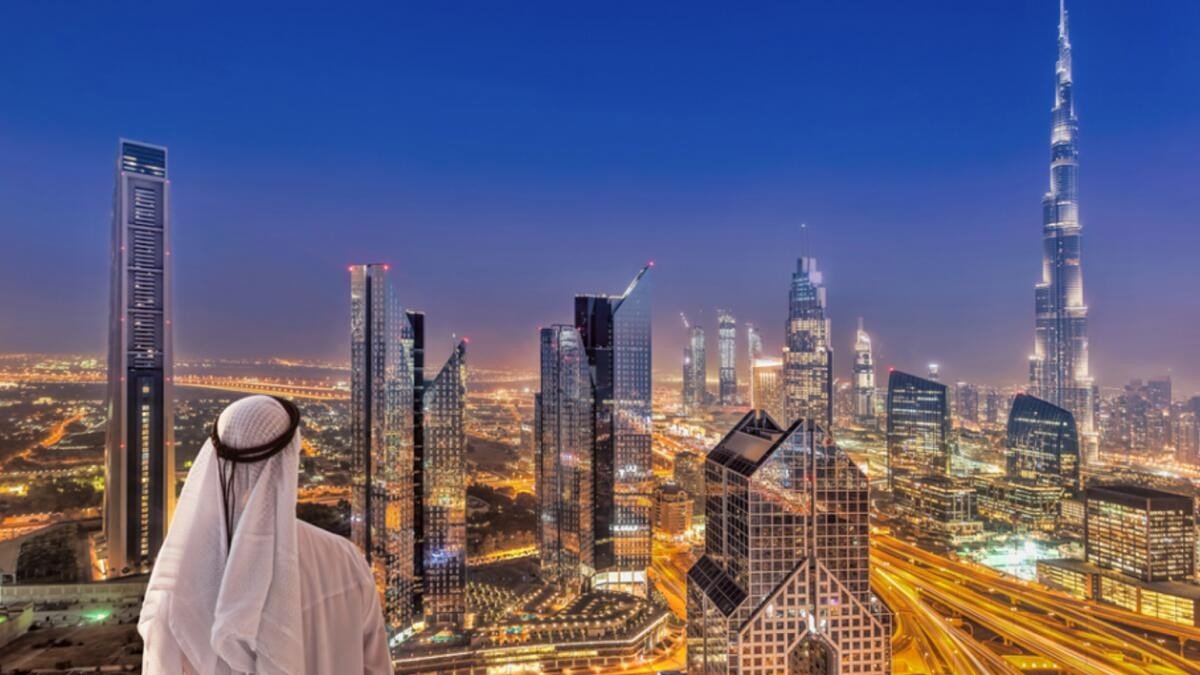
Understanding Dubai's Housing Landscape
Dubai has become one of the most sought-after destinations for expats around the world, drawing professionals with its tax-free salaries, luxury lifestyle, and wealth of business opportunities. With more than 90% of the population made up of expatriates, the city is a genuine melting pot of cultures set in the heart of the Middle East. For anyone planning a move, securing the right home quickly becomes the top priority.
The Dubai real estate market is known for its modern infrastructure, high demand, and diverse residential zones, each offering a distinct lifestyle and price range. Young professionals often gravitate towards Dubai Marina for its high-rise apartments, waterfront views, and lively social scene. Families frequently choose Jumeirah and Umm Suqeim for villas close to international schools and beaches, while Downtown Dubai appeals to those wanting an upscale urban lifestyle near the Burj Khalifa and Dubai Mall. Quieter suburban living can be found in Arabian Ranches and Mirdif, and corporate professionals often favour Business Bay and DIFC. For those seeking good value, Jumeirah Village Circle (JVC) and Al Barsha remain popular affordable options.
Renting or Buying: Which Suits Expats Best
For most new arrivals, renting is the preferred route because it offers flexibility and a lower upfront commitment. Rental contracts in Dubai typically run for 12 months, and early termination often carries penalties. Rent is traditionally paid annually in advance, though rising demand for flexible terms means many landlords now accept two to four post-dated cheques. To rent, you will generally need your passport and visa, an Emirates ID or visa application receipt, an employment contract or salary certificate, and a security deposit that is usually around 5% of the annual rent.
Long-term residents and those in permanent employment may prefer to buy for greater stability. Expats can own property in designated freehold zones such as Dubai Marina, Downtown Dubai, and Palm Jumeirah. Financing usually calls for a down payment of 20 to 25%, a clean credit history, and proof of stable income. Property ownership can also unlock residency benefits, with an investment of AED 750,000 supporting a two-year residence visa and an investment of AED 2 million qualifying for the ten-year Golden Visa.
The Legal Side of Renting in Dubai
Dubai's rental market is regulated by the Real Estate Regulatory Agency (RERA), and every tenancy agreement should be officially registered through the Ejari system, a mandatory online platform. An Ejari contract is essential, as it is required to set up utilities, open bank accounts, and apply for family visas.
Before signing, read the fine print carefully, paying attention to clauses covering rent increases, maintenance responsibilities, and early termination. Landlords can only raise rent within RERA's published guidelines and must give 90 days' notice of any change. The framework ties permitted increases to how far your rent sits below market value: no increase is allowed if your rent is less than 10% below market, rising to a 5% increase for 11 to 20% below, 10% for 21 to 30% below, and up to 20% for more than 30% below. Should a disagreement arise, tenants can turn to the Dubai Rental Dispute Settlement Centre.
Budgeting for Rent and Utilities
While income in Dubai is tax-free, housing can be a substantial expense, often accounting for 40 to 50% of an expat's monthly budget. Upfront rental costs typically include the annual rent, a security deposit of 5 to 10%, agency fees of around 5% of annual rent, the Ejari registration fee of about AED 220, and a DEWA deposit of AED 2,000 to 4,000 depending on the size of the property. Monthly running costs also add up, with electricity and water usually ranging between 80 and 150 US dollars, internet and TV packages between 70 and 100 US dollars, and mobile plans between 30 and 70 US dollars. Where air conditioning is billed separately, expect anywhere from 50 to 200 US dollars depending on usage.
Furnished or Unfurnished: Making the Right Choice
Dubai offers both furnished and unfurnished homes, and the right choice depends on your lifestyle and budget. Furnished apartments are ready to move into, include appliances and basic furniture, and suit short-term stays or remote workers, though they typically cost 10 to 20% more. Unfurnished homes are cheaper over the long run and allow for personal customisation, but appliances such as washing machines or cookers may not be included, making them better suited to families and long-term residents.
Choosing the Right Neighbourhood
With so many communities to consider, it helps to narrow your search by priorities. Traffic can be heavy at peak times, so living near your workplace or along the Metro Red or Green lines eases the daily commute. Families with children often look at Al Barsha, Jumeirah, and Arabian Ranches for their proximity to international schools. Those seeking nightlife tend to prefer Dubai Marina, Downtown, or JBR, while anyone after peace and quiet may enjoy Mirdif, The Springs, or Al Furjan. Wherever you land, check that supermarkets, clinics, gyms, and parks are within easy reach.
Avoiding Rental Scams
Although rental scams are relatively rare, it pays to stay alert. Be wary of prices that seem too good to be true, requests to transfer money before viewing a property, agents who cannot produce a valid RERA ID, and any refusal to register the tenancy through Ejari. Protect yourself by working only with licensed agents, using trusted property portals, and verifying ownership documents before making any payment. Always insist on receipts for every payment, including the deposit.
Move to Dubai with Al Dar Aljadeed Real Estate
Planning your move to Dubai? Al Dar Aljadeed Real Estate is ready to guide you through every stage of your housing journey, from high-rise city-centre apartments to spacious villas in family-friendly communities. Our dedicated consultants will match you with the right home and support you every step of the way, so reach out to us today and settle into Dubai with confidence.
Al Dar Aljadeed Real Estate helps individuals and families find the right home and the right investment for long-term residency.
Talk to our team →
Related reading
Living in Dubai in 2026: Cost of Living, Culture and What to Expect
Dubai is home to 4.8 million residents and roughly 88% expats from 200+ nationalities. Here is what it really
Health, Home and Property Insurance in the UAE Explained
Health cover is now mandatory across the UAE, while home and property insurance underpin every mortgage and te
Moving to Dubai: The Ultimate Relocation Checklist for 2026
A step-by-step 2026 relocation checklist for moving to Dubai — residence visa and Emirates ID fees, real move-