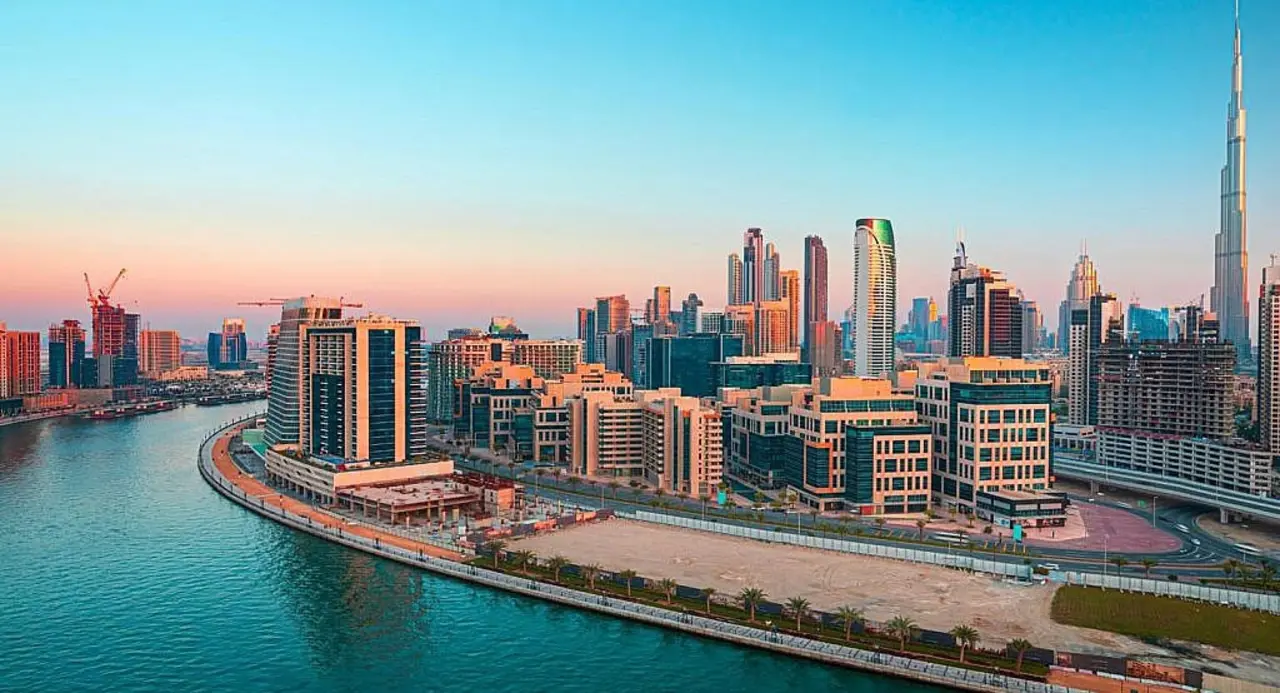
What Off-Plan Property Really Means
Buying property in Dubai is an exciting step. The city is full of modern buildings, growing neighbourhoods and genuine investment opportunities, and one option attracting a lot of attention lately is off-plan property, meaning homes that are still under construction. These properties often come at a lower price and offer flexible payment plans, which makes them appealing to both end users and investors.
An off-plan property is one sold before it is finished, sometimes even before construction begins. You agree to buy now and pay over time while the home is being built. The advantage is that you usually pay less than for a completed property, and you get more time to plan your payments. The question most buyers ask is simple: how do you actually pay for an off-plan home in Dubai? This guide breaks down the main options in clear terms.
Developer Payment Plans
The most common way people finance off-plan homes in Dubai is through developer payment plans, which are schedules offered directly by the company building the project. A typical plan asks for around ten to twenty percent at booking, sixty to seventy percent in stages during construction, and ten to thirty percent on handover once the home is ready.
The appeal is clear. You do not need to go through a bank, so there is no mortgage, no interest and fewer documents. You also do not need a UAE credit history or to prove your salary to a lender, which makes entry into the market easier and spreads payments out over time. One important tip is to make sure the payment dates are tied to construction milestones rather than just the calendar, so you only pay when real progress has been made.
Getting a Mortgage
Many buyers do not realise you can get a mortgage for an off-plan property in Dubai. You simply cannot get it right at the beginning. Most banks wait until a project is roughly halfway complete, usually around fifty to sixty percent, before releasing a loan. Once you are eligible, the bank pays the remaining cost and you repay it in monthly installments.
To apply you will typically need a passport and visa copy, proof of income such as salary slips and a job letter, bank statements, a down payment and sometimes a UAE bank account. Residents can generally borrow up to eighty percent of the property's value, while overseas buyers can expect around sixty to seventy percent. Loan terms can run up to twenty-five years, with interest rates usually ranging from 3.9 to 5.5 percent. A mortgage works best if you plan to live in the property, want to reduce large upfront payments and prefer spreading costs over the long term. Remember that you will still cover the first few installments yourself, as the mortgage usually helps later, closer to handover.
Paying All in Cash
If you have the full amount ready, paying in cash can work well. Developers often give discounts for lump-sum payments or for buyers who can settle in fewer installments. The advantages are a potentially better price, no need for loans or bank approval, and a simple, quick process. That said, cash is not for everyone. Committing a large amount at once can be risky if you want to keep your money flexible for other goals, such as starting a business or buying additional properties.
The Smart Hybrid Strategy
A growing number of buyers use a clever combination: start with a payment plan, then arrange a mortgage later. For example, you might pay twenty percent now, fifty percent during construction, and use a mortgage for the final thirty percent when the home is ready. This hybrid approach offers the best of both worlds, with lower upfront payments, flexibility during construction and a loan only when you truly need it. Just be careful to confirm that the project is approved for mortgages before you sign, because not all buildings qualify and you do not want to get stuck.
Extra Costs You Should Budget For
Buying a home involves more than the headline price. Expect a four percent Dubai Land Department fee, two to three percent in agency and admin fees, and roughly AED 1,000 to AED 3,000 for off-plan registration, known as Oqood. Once the home is finished you will also pay annual service charges, and mortgage setup fees apply if you take a loan. A practical rule is to set aside six to eight percent of the property value to cover all these extras so nothing catches you off guard.
Choosing the Right Developer and Plan
Even a solid financing plan means little if the developer does not deliver as promised, since late handovers or poor build quality cause real stress. Look for a developer known for delivering on time, high build quality, transparent payment schedules and good communication. Ultimately there is no one-size-fits-all answer. The best plan depends on your budget, your long-term goals, how comfortable you are with loans and whether you live in the UAE or overseas. Buyers with low savings who want to start now often prefer a developer payment plan, long-term residents lean toward a mortgage, cash-rich buyers chase discounts, and those seeking balance favour a hybrid strategy.
Finance Your Off-Plan Property With Us
If you are planning to buy an off-plan property in Dubai but are unsure how to finance it, Al Dar Aljadeed Real Estate can guide you. Whether you are an expat, a first-time buyer or a seasoned investor, our team helps simplify the process, explains your options with full transparency and matches you with financing that suits your goals and budget. Contact Al Dar Aljadeed Real Estate to take a confident first step toward owning your dream home or investment in Dubai.
Al Dar Aljadeed Real Estate helps individuals and families find the right home and the right investment for long-term residency.
Talk to our team →
Related reading
Off-Plan vs Ready Property in Dubai: Which Is the Better Buy in 2026?
Off-plan took 73.6% of Dubai home sales in July 2026, but ready property offers immediate rent and higher mort
Best Areas in Dubai for Rental Yield and ROI (2026)
An area-by-area look at where Dubai's rental yields and ROI are strongest in 2026 - from 8%+ affordable cluste
Dubai Golden Visa Through Property Investment: The Complete 2026 Guide
A qualifying Dubai property worth AED 2 million or more secures a renewable 10-year Golden Visa with no minimu